
Introduction
Polycystic Ovary Syndrome (PCOS) is a common health problem that affects many women. It can cause irregular periods, weight gain, and even trouble getting pregnant. Because PCOS can impact daily life, knowing preventive tips to deal with Polycystic Ovary Syndrome (PCOS) is important. Early prevention and healthy habits can help lower the risk of symptoms and improve well-being.
What is Polycystic Ovary Syndrome (PCOS)?
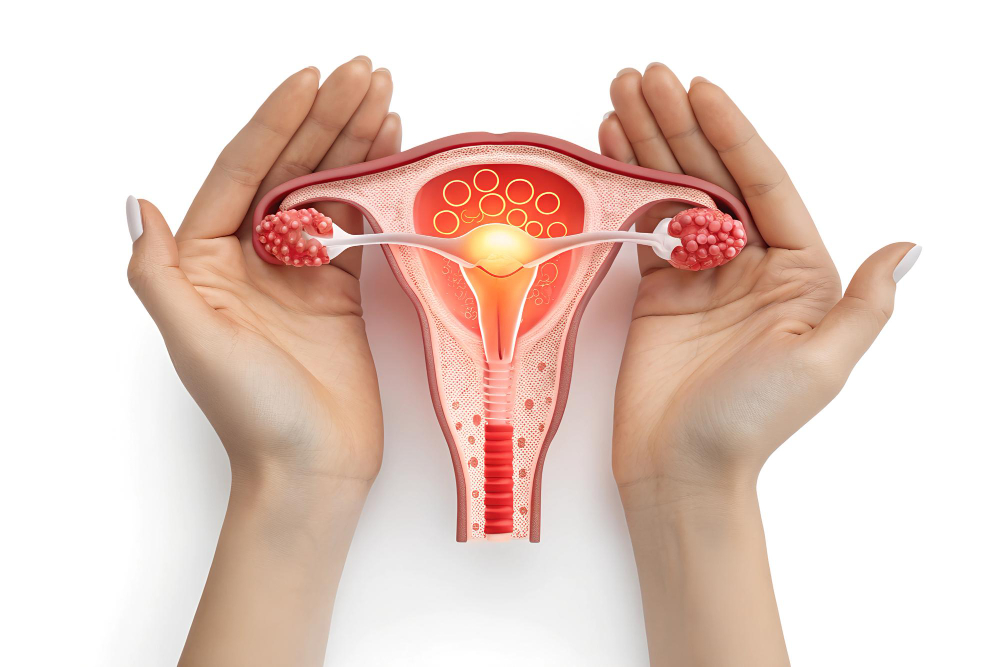
PCOS is a condition where a woman’s ovaries make more male hormones than usual. As a result, small cysts may form on the ovaries. However, not all women with PCOS have cysts. This condition can affect hormone levels, periods, and fertility. According to the Centers for Disease Control and Prevention (CDC), PCOS is one of the most common causes of female infertility.
Common Symptoms and Risk Factors
Many women with PCOS notice symptoms in their teens or early twenties. But, symptoms can vary from person to person. Common signs include:
Some risk factors for PCOS include:
Why Prevention Matters
Preventing PCOS or managing its symptoms early can make a big difference. For example, healthy habits may lower the risk of diabetes, heart disease, and other health problems linked to PCOS. In addition, early action can help improve fertility and boost self-confidence. Because PCOS can affect many parts of life, prevention is key.
Top Preventive Tips for PCOS
Healthy Diet Choices
Eating well is one of the best PCOS prevention tips. A balanced diet helps control weight and hormone levels. For instance, try these tips:
Because a healthy diet supports your body, it can help prevent PCOS symptoms.
Regular Physical Activity
Staying active is another key way to prevent PCOS. Exercise helps control weight and improves how your body uses insulin. For example, try to get at least 30 minutes of moderate activity most days. Walking, swimming, or cycling are good choices. Even small changes, like taking the stairs, can help.
Weight Management
Keeping a healthy weight is important for PCOS prevention. Even a small weight loss can improve symptoms. For instance, losing just 5% of your body weight may help balance hormones and make periods more regular. Because weight affects insulin and hormone levels, managing it is vital.
Stress Reduction Techniques
Stress can make PCOS symptoms worse. Therefore, finding ways to relax is helpful. You might try:
Because stress affects your body, lowering it can support overall health.
Regular Medical Check-ups
Seeing your doctor regularly helps catch PCOS early. For example, routine check-ups can spot changes in weight, blood sugar, or hormone levels. Early treatment can prevent long-term problems. In addition, your doctor can give advice on PCOS prevention tips that fit your needs.
Avoiding Smoking and Excess Alcohol
Smoking and drinking too much alcohol can make PCOS symptoms worse. Therefore, quitting smoking and limiting alcohol are smart choices. These steps also lower the risk of heart disease and other health issues.
Lifestyle Guidance for Ongoing Management
Living with PCOS means making healthy choices every day. For example, keep a food and activity journal to track progress. In addition, set small, realistic goals for diet and exercise. Because support matters, consider joining a group or talking with others who have PCOS. Remember, small changes add up over time.
When to Consult a Healthcare Professional
If you notice symptoms like irregular periods, excess hair growth, or trouble losing weight, talk to your doctor. Early advice can help prevent PCOS from getting worse. In addition, if you are planning a pregnancy or have concerns about your health, seek medical help. Your doctor can suggest lifestyle changes for PCOS and guide you on how to prevent PCOS symptoms.
Conclusion
PCOS can be managed with healthy habits and early action. By following these preventive tips to deal with Polycystic Ovary Syndrome (PCOS), you can lower your risk and improve your quality of life. For the best results, consult a specialist at S N Hospital Panipat for personalized guidance on managing or preventing PCOS.