
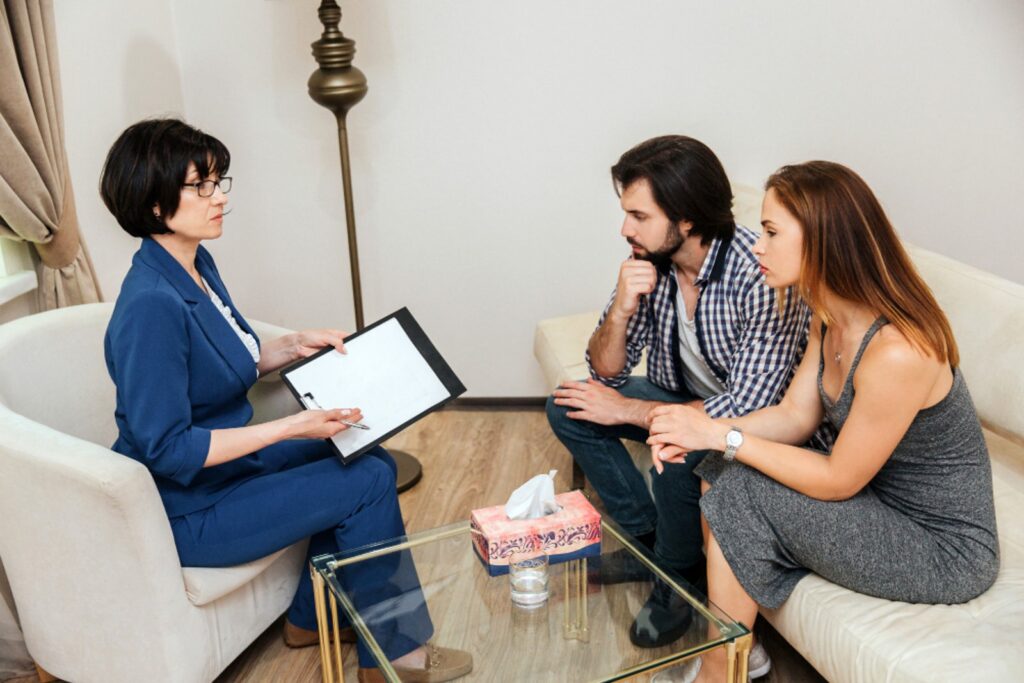
What is Preconception Counseling?
Preconception counseling is a special health visit before you try to get pregnant. During this visit, you talk with a healthcare provider about your health and plans for pregnancy. In fact, preconception counseling helps you learn how to prepare your body and mind for a healthy pregnancy. Many couples find this step helpful when planning for a baby.
Why is Preconception Counseling Important?
First, preconception counseling can help spot health issues early. For example, some conditions may affect your pregnancy or your baby’s health. By talking with your doctor before you get pregnant, you can lower risks and improve your chances of a healthy pregnancy. Also, you can get advice on lifestyle changes and learn about important tests. According to the CDC, early planning leads to better outcomes for both mother and baby.
Who Should Consider Preconception Counseling?
Almost anyone thinking about having a baby can benefit from preconception counseling. However, it is especially helpful for:
Even if you feel healthy, a preconception visit can give you peace of mind.
What to Expect During a Preconception Counseling Visit
During your visit, your healthcare provider will ask about your health and lifestyle. They may do a physical exam and order some tests. In addition, you will talk about your medical history and any medicines you take. Your doctor may also discuss your family’s health history. This helps spot any possible risks. Most visits include time for you to ask questions, too.
Common Topics Discussed
At a preconception counseling visit, your provider will cover many important topics. For example, you may talk about:
Because every person is different, your doctor will tailor the advice to your needs.
Steps to Prepare for a Healthy Pregnancy
There are several steps you can take to get ready for pregnancy. For instance, you can:
Additionally, talk to your doctor about any concerns or questions you have. Early planning can make a big difference.
Frequently Asked Questions
For more information, you can visit trusted sources like the CDC or WHO websites.
Consult a healthcare provider at S N Hospital, Panipat, for personalized preconception counseling and guidance.