
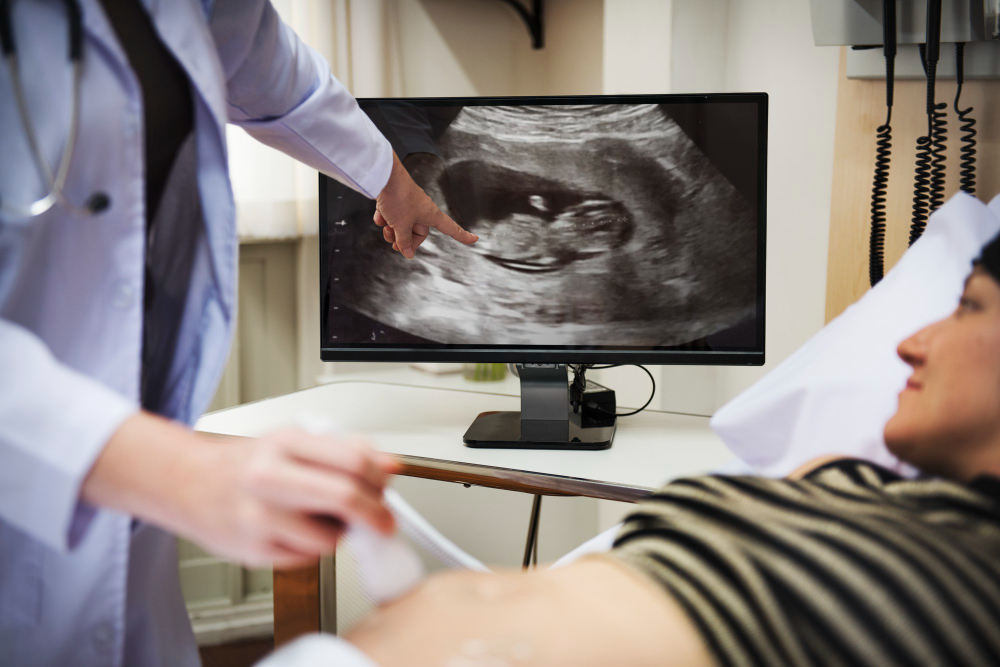
Introduction: What Is First Trimester Pregnancy Care?
First trimester pregnancy care is the support and attention you give your body during the first 12 weeks of pregnancy. This early stage is important because your baby’s organs begin to form. For this reason, good care now helps both you and your baby stay healthy. In fact, early pregnancy health choices can affect your whole pregnancy. Therefore, learning about first trimester pregnancy care tips can make a big difference.
Common Symptoms in the First Trimester
Many women notice changes in their bodies soon after becoming pregnant. While every woman is different, some symptoms are very common. Knowing what to expect can help you feel more prepared. For example, you may notice:
Although these symptoms are normal, they can be uncomfortable. Still, most will improve as your pregnancy continues.
Essential Medical Checkups in the First Trimester
Early prenatal care is key for a healthy pregnancy. Therefore, you should schedule your first visit with a healthcare provider as soon as you know you are pregnant. During this visit, your doctor will:
Because regular checkups help spot problems early, it is important not to skip these visits. Your provider may also suggest other screenings based on your health or family history.
Nutrition and Lifestyle Guidance
Eating well and staying active are important parts of first trimester pregnancy care. For example, a healthy diet supports your baby’s growth. Here are some tips:
Besides eating well, gentle exercise like walking or prenatal yoga can help you feel better. However, always check with your provider before starting new activities. In addition, avoid risky habits such as smoking or using drugs, as these can harm your baby.
Warning Signs: When to Seek Medical Help
Most symptoms in early pregnancy are normal. However, some signs need quick medical attention. If you notice any of the following, contact your healthcare provider right away:
Because these symptoms can signal serious problems, quick action is important for your safety.
Prevention and Self-Care Tips
Taking care of yourself helps you manage discomfort and supports your well-being. For example, you can:
Although some discomfort is normal, these steps can help you feel better. In summary, good self-care and regular prenatal care are the best ways to support early pregnancy health.
Conclusion
In conclusion, first trimester pregnancy care sets the stage for a healthy pregnancy. By knowing what to expect, attending medical checkups, eating well, and watching for warning signs, you can help protect yourself and your baby. Consult a healthcare provider at S N Hospital Panipat for personalised first-trimester pregnancy care advice.