
What Are Irregular Periods?
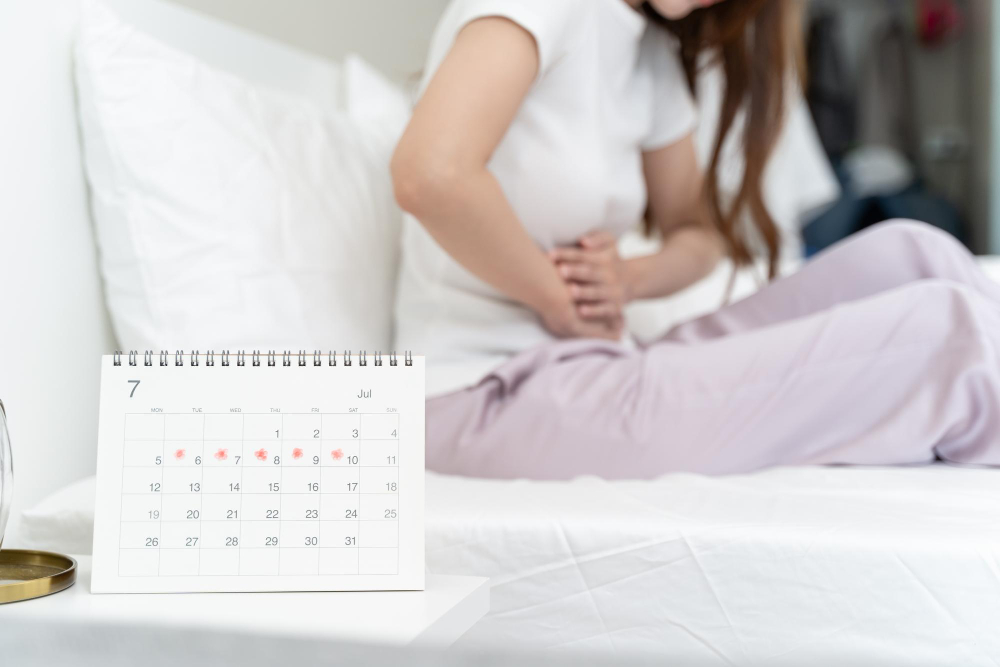
Irregular periods are a common concern in women’s health. A typical menstrual cycle lasts about 21 to 35 days. However, some people notice their periods come earlier or later than expected. This is called an irregular menstrual cycle. For example, if your cycle changes each month or you skip periods, you may have period problems. Many women experience this at some point in their lives. Yet, not all changes mean something is wrong. Still, understanding your cycle helps you notice when things are different.
Common Causes of Irregular Periods
There are many reasons for irregular periods. Sometimes, small changes in your life can affect your cycle. Other times, health conditions may be the cause. Below are some common causes:
Because there are many reasons for irregular periods, it is helpful to track your cycle. This can help you and your doctor find out why your period is irregular.
How Irregular Periods Are Diagnosed
Doctors use several steps to find the cause of irregular periods. First, they ask about your medical history. They may want to know when your periods started, how often they come, and if you have other symptoms. Next, a physical exam may be done. Sometimes, blood tests check hormone levels or thyroid function. In some cases, doctors may order an ultrasound to look at your ovaries or uterus. Tracking your menstrual cycle at home is also important. For example, you can use a calendar or an app to note when your period starts and ends. This information helps your doctor make the right diagnosis.
When to Seek Medical Advice for Irregular Periods
Although many women have irregular periods from time to time, some signs mean you should see a doctor. You should seek medical advice if you notice:
Because these symptoms can signal health problems, it is important to get checked by a healthcare provider.
Lifestyle Tips for Managing Irregular Periods
There are steps you can take at home to help manage irregular periods. While not all causes can be fixed with lifestyle changes, these tips can support your overall health:
For some women, these steps can help make periods more regular over time.
Prevention and Long-Term Health Considerations
Preventing irregular periods is not always possible. However, taking care of your health can lower your risk. For instance, regular check-ups help spot problems early. Eating well and staying active support hormone balance. If irregular periods are left untreated, they may lead to other health issues. For example, long-term irregular cycles can affect fertility or increase the risk of anemia from heavy bleeding. In some cases, they may signal other health problems, such as diabetes or thyroid disease. Therefore, it is important to pay attention to changes in your cycle and seek help if needed.