
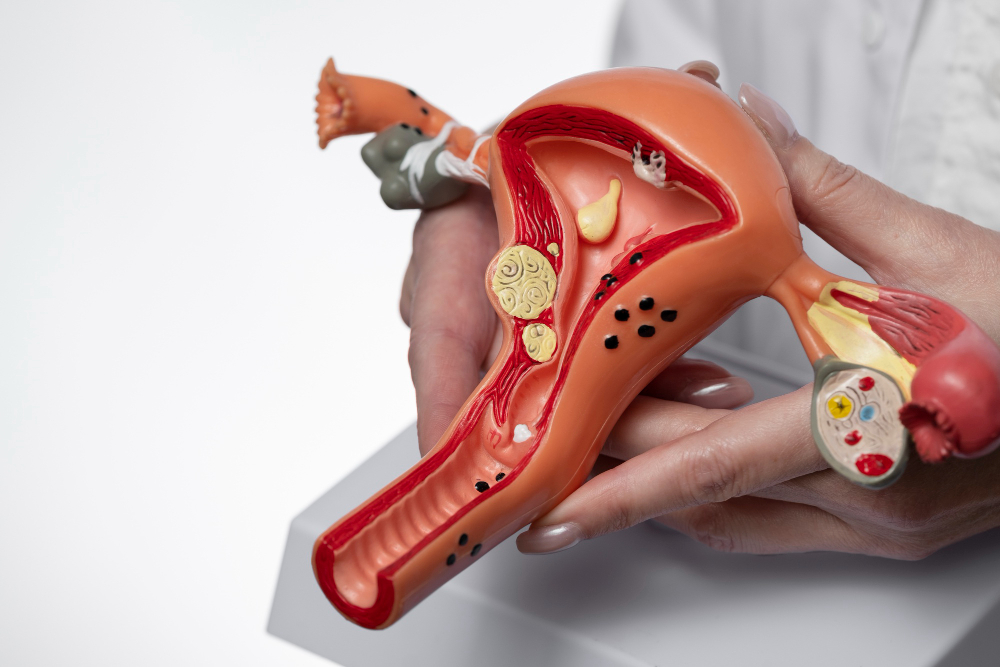
What Are Intrauterine Infections?
Intrauterine infections happen when germs enter the womb during pregnancy. These infections can affect the baby, the mother, or both. Often, they are called maternal infections or infection during pregnancy. Because the womb is usually a safe place, any infection can be serious. Intrauterine infections may raise pregnancy infection risks for both mother and baby. According to the Centers for Disease Control and Prevention (CDC), these infections can sometimes lead to early labor or health problems for the newborn.
Common Causes of Intrauterine Infections
Many germs can cause intrauterine infections. For example, bacteria, viruses, and even some parasites may enter the womb. Sometimes, these germs travel from the vagina or cervix. In other cases, they spread through the mother’s blood.
Additionally, certain risk factors can make infection more likely. For instance, a long labor, early breaking of water, or untreated vaginal infections can raise the risk. The World Health Organization (WHO) notes that good prenatal care can help lower these risks.
Signs and Symptoms
Sometimes, intrauterine infections show no clear signs. However, many women notice changes. For example, you may have a fever or chills. Some people feel pain in the lower belly. Others may see a change in vaginal discharge, such as a bad smell or unusual color.
In some cases, the baby may move less than usual. If you notice any of these symptoms, you should contact your doctor right away. Early care can help prevent problems for both mother and baby.
How Intrauterine Infections Are Diagnosed
Doctors use several steps to find intrauterine infections. First, they ask about your symptoms and medical history. Next, they may do a physical exam to check for pain or fever. Often, doctors order tests to look for signs of infection.
In rare cases, doctors may take a small sample of fluid from around the baby. This test, called amniocentesis, can help confirm an infection. However, it is only done when needed, as it carries some risks.
Treatment Options
Treating intrauterine infections early can protect both mother and baby. Most often, doctors use medicine to fight the infection. For example, antibiotics treat bacterial infections. If a virus is the cause, antiviral drugs may help. Sometimes, doctors give medicine through a vein for faster results.
In some cases, the doctor may suggest early delivery if the infection is severe. This step helps protect the baby from harm. The CDC recommends following your doctor’s advice closely during treatment.
Prevention Tips and Lifestyle Guidance
Preventing intrauterine infections is important for a healthy pregnancy. While not all infections can be avoided, you can lower your risk with good habits. For instance, regular prenatal visits help spot problems early. Additionally, practicing good hygiene is key.
Moreover, treating vaginal or urinary infections quickly can help prevent germs from spreading. The WHO and CDC both stress the value of early care and healthy habits during pregnancy. By following these steps, you can help protect yourself and your baby from pregnancy infection risks.
Conclusion
If you have concerns about intrauterine infections or notice any symptoms, reach out to S N Hospital Panipat. Our team is here to support you and answer your questions about pregnancy health. Book a consultation today for peace of mind.