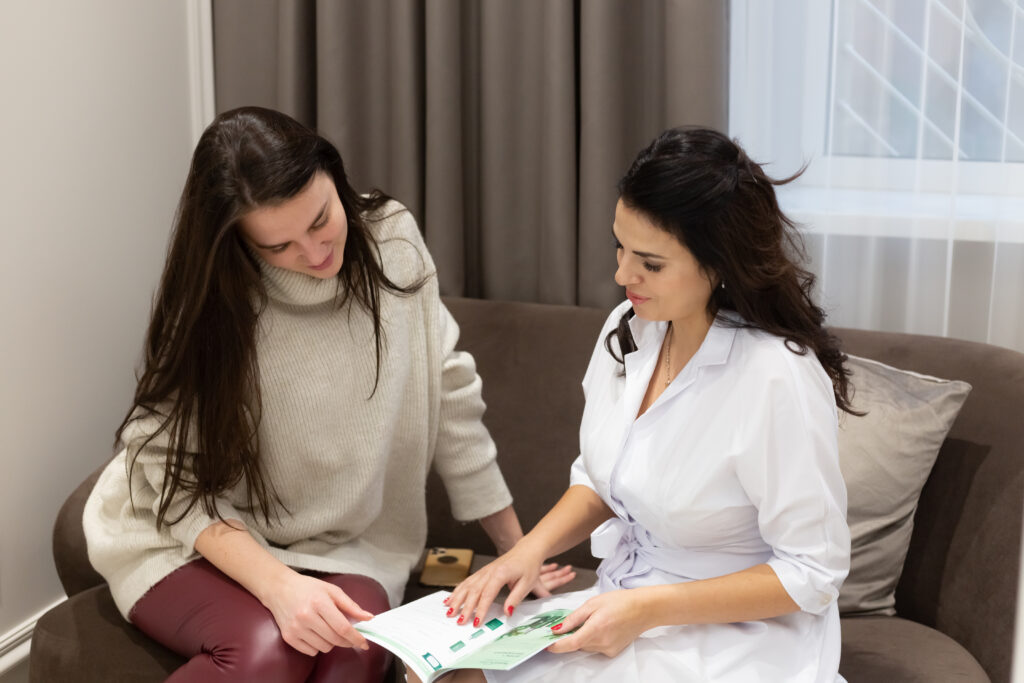
What Is Preconception Counseling?
Preconception counseling is a special health visit before you try to get pregnant. During this visit, your doctor talks with you about your health, lifestyle, and family history. Because planning ahead can help you have a healthy pregnancy, many experts recommend preconception counseling as part of pre-pregnancy planning. This visit supports women’s reproductive health and helps you prepare for a safe journey to parenthood.
Why Is Preconception Counseling Important?
Preconception counseling is important for many reasons. First, it helps find and manage health problems that could affect pregnancy. For example, some conditions like diabetes or high blood pressure need special care before pregnancy. Also, your doctor can give advice on fertility health and answer questions about getting pregnant. Most importantly, this visit helps lower risks for both you and your future baby.
Common Topics Discussed During Preconception Visits
During a preconception visit, your doctor will talk about several key topics. These include:
Medical history: Your doctor will ask about past illnesses, surgeries, and any medicines you take.
Lifestyle: You may discuss smoking, alcohol, exercise, and stress. Because these can affect pregnancy, your doctor will offer tips for healthy changes.
Nutrition: Eating well is vital for women’s reproductive health. Your doctor may suggest a balanced diet and prenatal vitamins, especially folic acid.
Vaccinations: Some vaccines, like those for rubella or hepatitis B, are important before pregnancy. Your doctor will check your records and recommend any needed shots.
Genetic screening: If you or your partner have a family history of certain diseases, your doctor may suggest genetic tests. This helps you understand any risks for your baby.
Steps to Prepare for a Preconception Appointment
Getting ready for your preconception counseling visit can make it more helpful. Here are some steps you can take:
Write down your medical history, including past illnesses and surgeries.
List all medicines, vitamins, and supplements you take.
Note any family health problems, especially genetic conditions.
Prepare questions about fertility health, pregnancy, or lifestyle changes.
Bring your vaccination records if you have them.
Because being prepared helps your doctor give the best advice, take time to gather this information before your visit.
Lifestyle and Health Tips Before Pregnancy
Making healthy choices before pregnancy can improve your chances of having a healthy baby. For example, you can:
Eat a balanced diet rich in fruits, vegetables, and whole grains.
Take a daily prenatal vitamin with at least 400 micrograms of folic acid.
Stop smoking and avoid alcohol or recreational drugs.
Exercise regularly, but check with your doctor about safe activities.
Maintain a healthy weight, as being underweight or overweight can affect fertility health.
Manage stress through relaxation, hobbies, or talking with friends.
Additionally, get enough sleep and stay up to date on all recommended vaccinations.
Frequently Asked Questions About Preconception Counseling
When should I schedule preconception counseling?
It is best to see your doctor at least three months before trying to get pregnant.
Do both partners need to attend?
While it is helpful, only the person planning to become pregnant must attend. However, partners are welcome.
What if I have a chronic health condition?
Your doctor will help you manage it and adjust medicines if needed.
Is genetic screening required?
No, but it is recommended if you have a family history of certain diseases.
Prevention and Risk Reduction Strategies
There are several ways to lower risks before pregnancy. For instance, you can:
Control chronic health problems, like diabetes or high blood pressure, with your doctor’s help.
Avoid harmful substances, such as tobacco, alcohol, and certain medications.
Get tested and treated for infections, including sexually transmitted infections (STIs).
Update all vaccinations before pregnancy begins.
Follow your doctor’s advice on nutrition and supplements.
Because these steps can protect both you and your baby, it is important to start early.
Conclusion: Take the Next Step
Preconception counseling is a key part of pre-pregnancy planning. It helps you prepare for a healthy pregnancy and supports women’s reproductive health. If you are thinking about having a baby, consult an obstetrician-gynecologist at S N Hospital Panipat for personalized preconception advice. Early planning can make a big difference for you and your future family.