
Introduction
Mullerian abnormalities are changes in the female reproductive organs that develop before birth. These organs include the uterus, fallopian tubes, and vagina. Sometimes, these parts do not form as expected. As a result, women may face health problems. Laparoscopy for mullerian abnormalities is a modern way to diagnose and treat these issues. This method uses small cuts and a camera to look inside the body. Because it is less invasive, recovery is often quicker than with open surgery. Many doctors now choose laparoscopy for mullerian anomalies due to its safety and accuracy.
Symptoms and Signs of Mullerian Abnormalities
Many women do not notice symptoms until puberty or later. However, some signs may appear early. For example, girls may not start their periods on time. Others may have pain during periods or trouble getting pregnant. In some cases, women may have repeated miscarriages. Common symptoms include:
Sometimes, there are no symptoms at all. But, if you notice any of these signs, it is wise to talk to a doctor.
Causes and Risk Factors
Mullerian abnormalities happen while a baby is growing in the womb. The exact cause is often unknown. However, some factors may raise the risk. For instance, changes in certain genes can play a role. Also, some medicines or illnesses during pregnancy may affect how the organs form. Although these problems are rare, they can affect any woman. Family history may also increase the risk. Still, most cases happen by chance.
How Laparoscopy Helps in Diagnosis
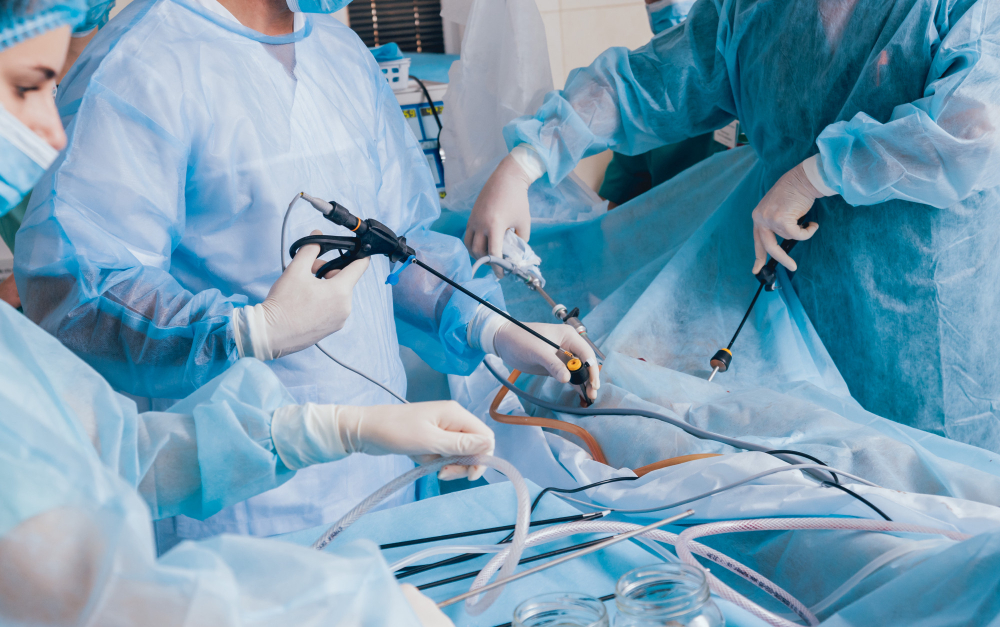
Laparoscopy is a type of minimally invasive surgery for mullerian anomalies. During this procedure, doctors make small cuts in the belly. Then, they insert a thin tube with a camera. This tool lets them see the organs clearly. Because of this, doctors can spot even small changes in the uterus or tubes. Laparoscopic diagnosis of uterine abnormalities is more accurate than some other tests. In addition, it helps doctors plan the best treatment. According to the World Health Organization, laparoscopy is safe and effective for diagnosing many reproductive problems.
Laparoscopic Treatment Options
Once doctors find a mullerian abnormality, they may treat it during the same laparoscopy. Treatment depends on the type of problem. For example, doctors can remove tissue that blocks the uterus or tubes. They may also fix the shape of the uterus. Because laparoscopy uses small cuts, there is less pain and faster healing. Common laparoscopic treatments include:
Doctors choose the best option based on each woman’s needs. In many cases, these treatments improve symptoms and fertility.
Recovery and Aftercare Tips
Recovery after laparoscopy for mullerian defects is usually quick. Most women go home the same day. However, some may stay overnight for observation. After surgery, you may feel mild pain or discomfort. This usually gets better in a few days. To help with recovery, follow these tips:
Most women return to normal activities within one to two weeks. But, always follow your doctor’s advice for the best results.
Prevention and Lifestyle Guidance
Because mullerian abnormalities develop before birth, they cannot be fully prevented. However, healthy habits during pregnancy may lower some risks. For example, avoid harmful substances like tobacco and alcohol. Eat a balanced diet and attend regular prenatal check-ups. If you have a family history of these problems, talk to your doctor before or during pregnancy. While you cannot change your genes, early care can help spot issues sooner.
When to Consult a Specialist
It is important to seek help if you notice symptoms like irregular periods, pelvic pain, or trouble getting pregnant. Early diagnosis can make treatment easier. In addition, if you have a family history of mullerian abnormalities, consider seeing a gynecologist. Specialists can offer tests and advice tailored to your needs. Remember, timely care can improve your health and well-being.
Consult a specialist at S N Hospital Panipat for personalized advice on mullerian abnormalities and laparoscopy.