What is Myomectomy?
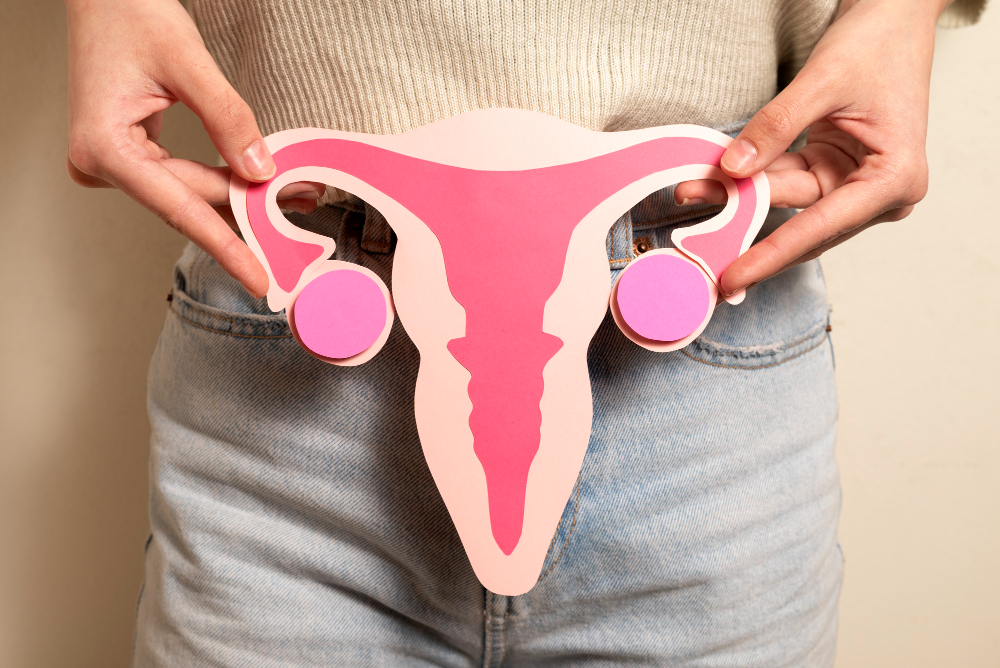
Myomectomy is a surgery to remove uterine fibroids. Uterine fibroids are non-cancerous growths in the uterus. Doctors use myomectomy to help women who have symptoms from these growths. Unlike a hysterectomy, myomectomy keeps the uterus in place. This means women can still try for pregnancy after the surgery. Myomectomy surgery can be done in different ways, including minimally invasive myomectomy. Many women in cities like New York or Los Angeles choose this option for quicker recovery. According to the CDC, myomectomy is safe and effective for most women with fibroids.
Symptoms Leading to Myomectomy
Many women with fibroids do not have symptoms. However, some may notice changes that lead them to seek help. For example, you might need myomectomy if you have:
Because these symptoms can affect daily life, many women choose uterine fibroid removal to feel better.
Causes of Uterine Fibroids
Doctors do not know the exact cause of fibroids. However, several factors may play a role. For instance, hormones like estrogen and progesterone help fibroids grow. Family history also matters. If your mother or sister had fibroids, you may have a higher risk. In addition, age can affect your chances. Most fibroids appear in women aged 30 to 50. According to the WHO, lifestyle factors such as diet and body weight may also influence fibroid growth.
Diagnosis and Candidacy for Myomectomy
Doctors use several tools to find fibroids. First, they may ask about your symptoms and health history. Next, they often do a pelvic exam. After that, they may order an ultrasound or MRI to see the fibroids. Not every woman with fibroids needs myomectomy. However, you may be a good candidate if you:
Doctors will explain your options and help you decide if myomectomy surgery is right for you.
Types of Myomectomy Procedures
There are several ways to perform myomectomy. Your doctor will choose the best method based on your health and the size of your fibroids. The main types include:
Because each type has benefits and risks, your doctor will discuss which is best for you.
Benefits and Risks of Myomectomy
Myomectomy offers many benefits. For example, it can:
However, every surgery has risks. Some possible risks include:
Because minimally invasive myomectomy has fewer risks, many women prefer this option. The CDC notes that most women recover well after myomectomy surgery.
Recovery and Aftercare Tips
After myomectomy, recovery time depends on the type of surgery. For example, women who have minimally invasive myomectomy often go home the same day. Others may stay in the hospital for a few days. To help your body heal, follow these tips:
Because every woman heals at her own pace, always ask your doctor if you have concerns during myomectomy recovery.
Prevention and Lifestyle Guidance
While you cannot always prevent fibroids, some lifestyle choices may lower your risk. For instance, eating a balanced diet with fruits and vegetables can help. Staying at a healthy weight may also reduce your chances. In addition, regular exercise supports your overall health. Some studies suggest that limiting red meat and alcohol may help prevent fibroids. Because early care is important, see your doctor if you notice symptoms. The WHO and CDC recommend regular check-ups for women at risk of fibroids.