What Is Preeclampsia?
Preeclampsia is a serious condition that can happen during pregnancy. It causes high blood pressure and can harm organs like the liver and kidneys. Usually, it starts after the 20th week of pregnancy. Because preeclampsia can affect both mother and baby, early care is important. According to the World Health Organization (WHO), preeclampsia affects about 2–8% of pregnancies worldwide.
Common Symptoms and Warning Signs
It is important to know the signs of preeclampsia. While some women may not notice symptoms, others may feel unwell. Early detection can help prevent problems. Watch for these warning signs:
If you notice any of these signs, contact your doctor right away. Early action can protect you and your baby.
Main Causes and Risk Factors
Doctors do not know the exact cause of preeclampsia. However, some factors can raise your risk. Understanding these can help you stay alert. Common risk factors include:
Even if you do not have these risks, preeclampsia can still happen. Therefore, regular check-ups are key.
How Is Preeclampsia Diagnosed?
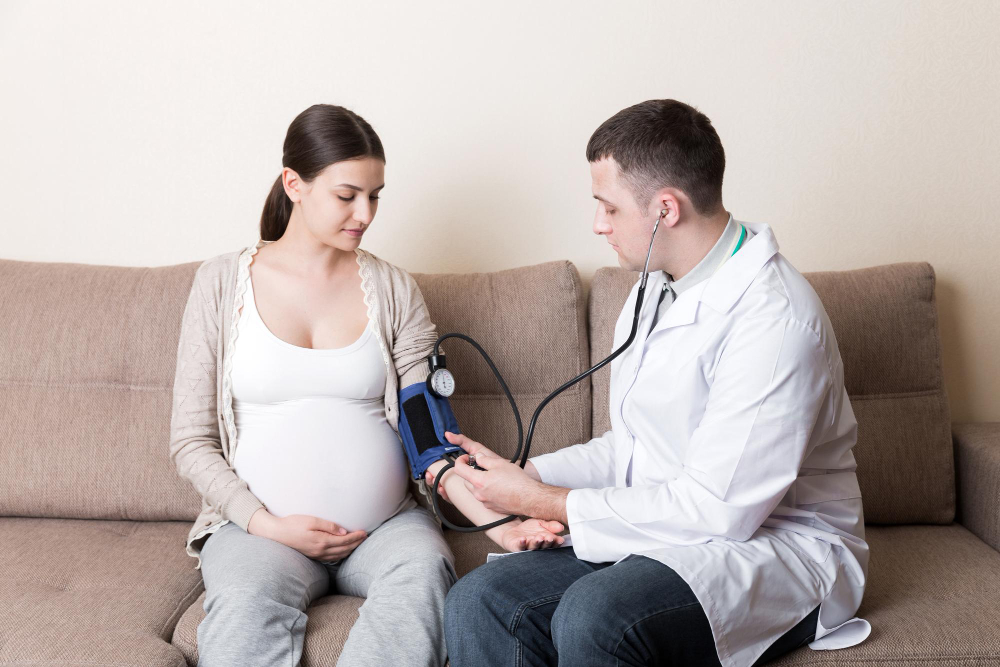
Doctors use simple tests to check for preeclampsia. During each prenatal visit, they measure your blood pressure. They may also test your urine for protein. If your blood pressure is high and you have protein in your urine, your doctor may suspect preeclampsia. Sometimes, blood tests or ultrasounds are needed to check your organs and your baby’s growth. Early diagnosis helps prevent serious problems.
Treatment Options and Management
Treatment depends on how far along you are and how severe the preeclampsia is. For mild cases, doctors may suggest:
In severe cases, you may need to stay in the hospital. Sometimes, early delivery is the safest choice for you and your baby. Your doctor will explain the best plan for your situation.
Prevention Tips and Lifestyle Guidance
While preeclampsia cannot always be prevented, some steps may lower your risk. Consider these tips:
Because every pregnancy is different, talk to your doctor about your personal risk.
When to Seek Medical Help
It is important to act quickly if you notice symptoms of preeclampsia. Seek medical help if you have:
Prompt care can save lives. Never ignore warning signs during pregnancy.
Summary
Preeclampsia is a serious pregnancy condition. However, early care and regular check-ups can help keep you and your baby safe. If you notice any warning signs, contact your healthcare provider right away.
Consult a healthcare provider at S N Hospital for personalized advice on preeclampsia.